Why Chess is Important for Mind Development and Growth
- Home
- Why Chess?
Why Chess Is More Than Just a Game
Chess is the ancient game of tricks and intelligence where imagination combines with logic on the chessboard of infinite possibilities. It is not only a game, but also an art, science and sport that makes you a master in decision making and unlocks the power of critical thinking. Make a journey to explore the depths within your mind.
Tracing the History of Chess Throughout Centuries
-
 6th C. AD
Origins of Chess
Chess began in India around the 6th century AD and later spread across Asia, laying the base for modern chess.
-
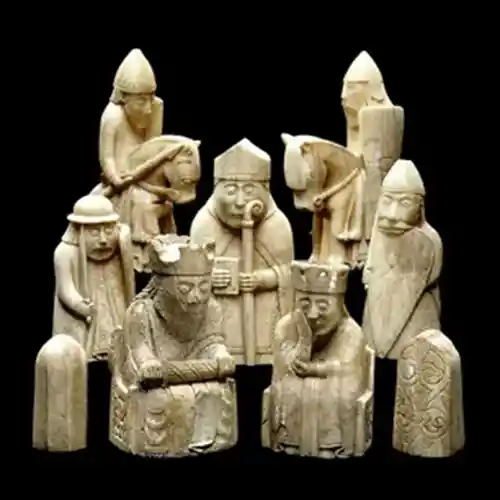 10th C. AD
Evolution of the Game
By the 10th century, chess rules evolved across regions while the game continued to grow globally.
-
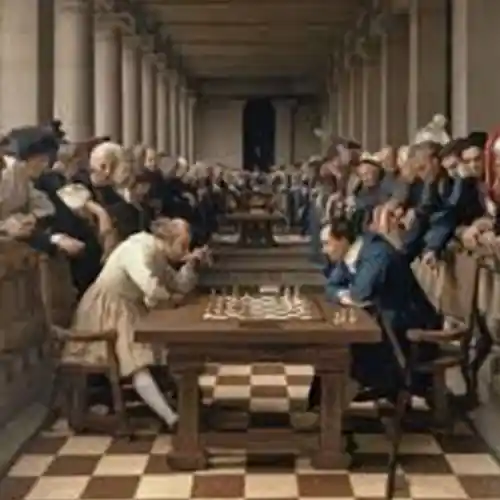 1575
1575First International Tournament
The first recorded international chess tournament took place in 1575, marking organized competitive play.
-
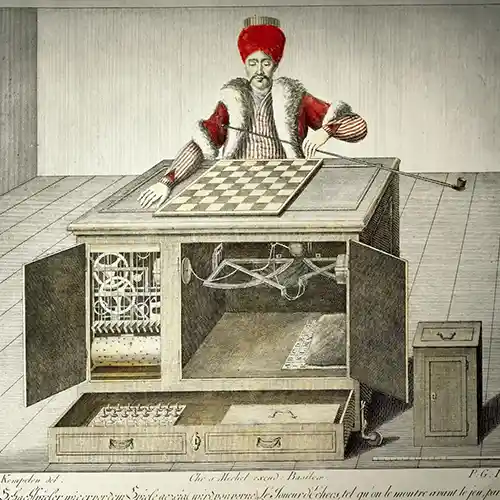 1770
1770The Mechanical Turk
The Mechanical Turk amazed audiences in 1770 by defeating players, later revealed as a human-operated machine.
-
 1883
1883Chess Clock Introduced
As matches lasted many hours, chess clocks were introduced in 1883 to manage time fairly.
-
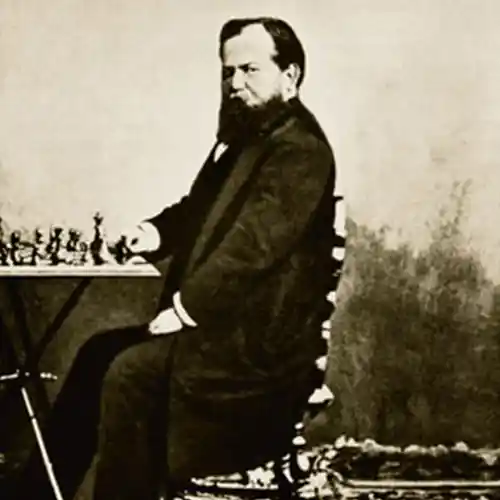 1886
1886First World Champion
William Steinitz became the first official World Chess Champion in 1886, shaping modern competition.
-
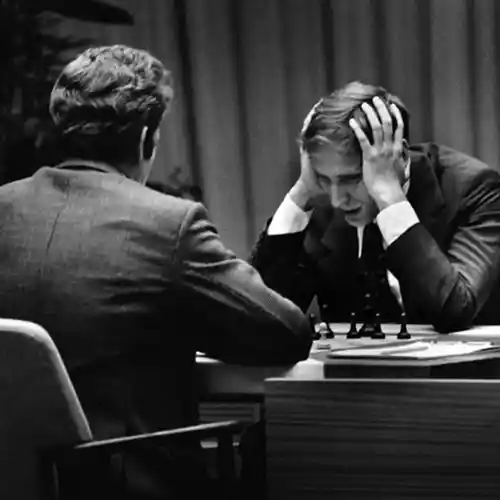 1972
1972Fischer vs Spassky
Bobby Fischer defeated Boris Spassky in 1972, bringing global attention and popularity to chess.
-
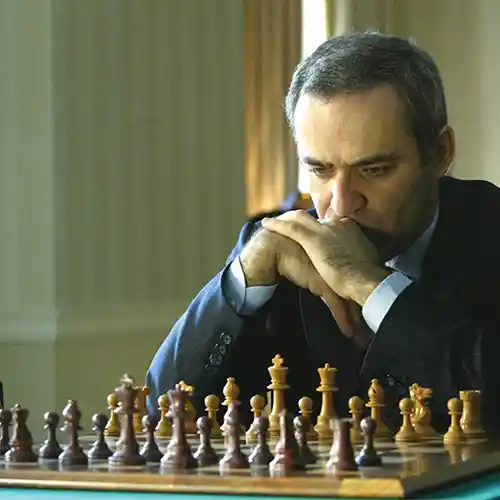 1985
1985Rise of Kasparov
Garry Kasparov emerged in 1985, dominating chess after years without a global superstar.
-
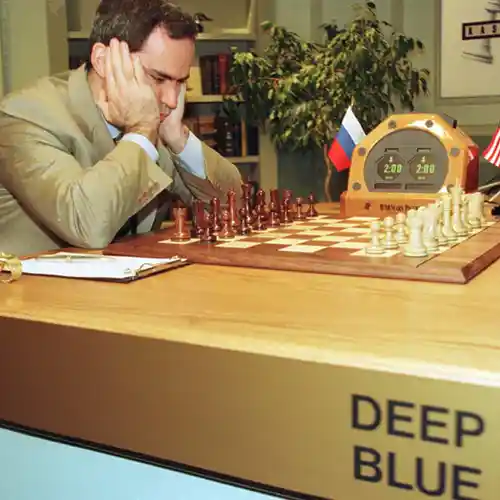 1997
1997Man vs Machine
IBM’s Deep Blue defeated Garry Kasparov in 1997, changing how the world viewed chess and computers.
-
 2000
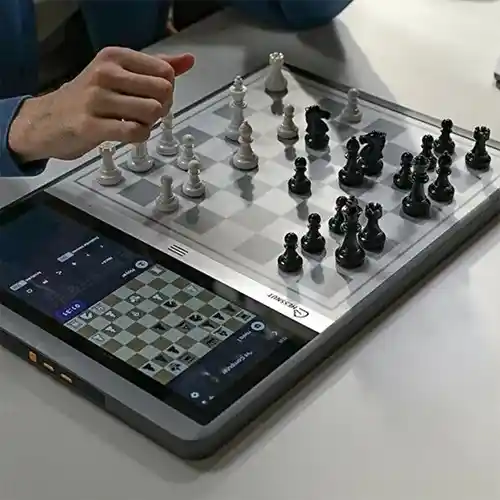
2000Digital Chess Era
Chess engines and databases transformed preparation and play, redefining the game in the modern era.
-
 2007
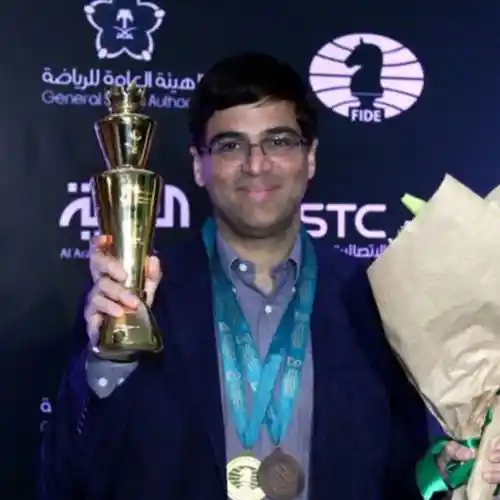
2007Anand’s Championship
Viswanathan Anand became World Champion in 2007, strengthening India’s place in world chess.
-
 2013
2013Carlsen’s Rise
Magnus Carlsen won the world title in 2013, beginning a new era of dominance in chess.
-
 2023
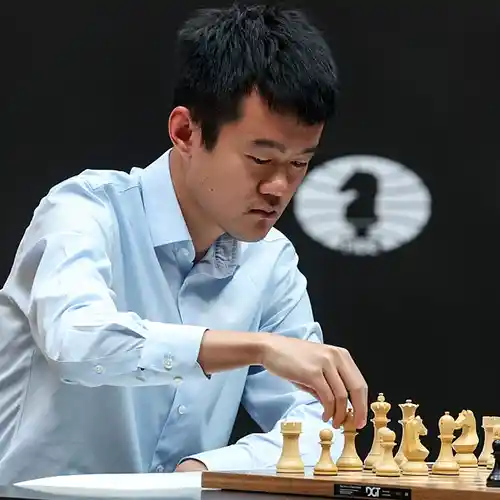
2023China’s First Champion
Ding Liren became the first Chinese World Champion in 2023, marking a historic milestone.
-
 2024
2024Youngest Champion
Gukesh Dommaraju became the youngest undisputed World Chess Champion in 2024, making history.
-
 2025
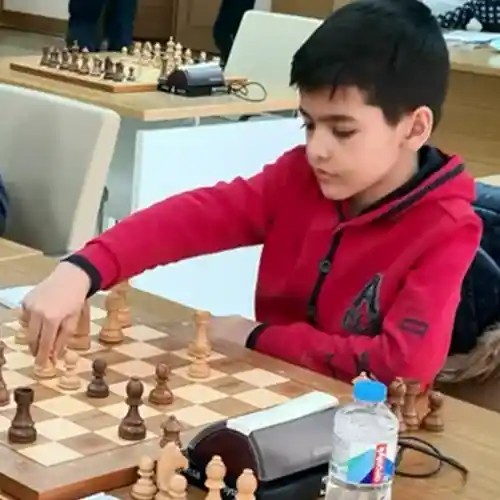
2025The New Chess Era
A new generation of young champions reshaped competitive chess, pushing speed, preparation, and global reach.
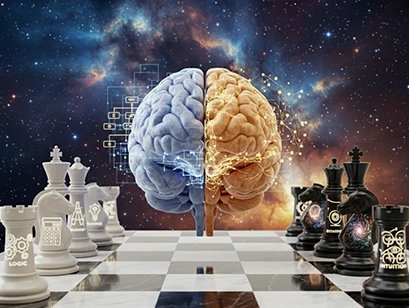
Chess as a Brain Exercise
- Chess activates both sides of the brain simultaneously, enhancing overall cognitive function.
- The left side becomes active during calculations, planning, and analyzing positions.
- The right side works when players imagine possibilities, recognize patterns, and think creatively.
- Chess boosts concentration, memory, problem-solving, and quick decision-making skills.
- Playing chess fully engages the brain, offering strong mental exercise for both children and adults.
- It helps keep the mind active, alert, and mentally sharp.
Train Your Mind to Make Abilities with the Power of Chess
Memory Improvement
Regular chess practice strengthens the ability to recall strategies, tactics, and patterns. Studies show that children can improve their memory by 20–30% in a few months through regular training.

Improved Concentration
Focusing on every move improves attention and helps students stay active during study or work. Concentration levels can increase by 15–25% with regular practice.

Problem-Solving Skills
The ability to predict moves, analyze options, and solve challenges strengthens logical and analytical thinking. Chess players can improve problem-solving efficiency by up to 25%.

Creativity Boost
Chess promotes creative thinking through strategic planning, imaginative play, and problem analysis, enhancing overall creativity in real-life situations.

Patience and Confidence
Game-based learning builds resilience, persistence, and confidence, helping students handle real-life challenges more effectively.

IQ Development
Research shows that frequent chess practice can increase IQ levels by 10–15 points within a few months, especially in children and teenagers, promoting overall cognitive growth.
Better Than Mobile Gaming
Parents are always seeking better activities to replace mobile gaming, and chess is the best alternative.
Unlike phone games, Chess provides productive screen time with real benefits to the mind. It has no violence, no addictive features, and no distractions.
Chess develops lasting skills for focus, discipline and patience, logical thinking and decision-making. It maintains children engaged positively while helping them emotional and intellectual development.
Real-Life Planning Skills
- Think Ahead: Plan moves before playing.
- Compare Options: Evaluate multiple solutions.
- Make Confident Decisions: Choose the best strategy.
- Predict Outcomes: Learn to anticipate challenges.
- Handle Unexpected Situations: Adapt to new positions.
Chess and the Growth Mindset
‘Learn, Adapt, Grow – On and Off the Board’
How Chess Builds a Growth Mindset:
- Learn from Mistakes: Every game is a lesson to get better.
- Practice & Patience: Improvement comes through constant practice.
- Strategic Thinking: Playing helps players acquire problem-solving and planning skills.
Learn Chess with Time2Chess
Time2Chess offers a systematic, interactive, and outcomes-oriented chess learning experience for all ages and skill levels. Even with a beginner, intermediate, or advanced player, our programs assist you in building strong chess fundamentals, new strategies and practical tournament skills..

Professional Coaches
Learn from FIDE-certified coaches with years of experience teaching students of all ages.

Flexible Learning Options
Join offline classroom and online live classes from the comfort of your home.

Progress Tracking
Use our online portal to track your performance, lessons and engage in online tournaments.

Practical Work
Gain practical experience through guided practice games, puzzles, and strategy exercises.

Certificates & Rewards
Receive course completion certificates and rewards, including free beginner chess boards.

Competitive Opportunity
Participate in in-house and online competitions to gain confidence and experience a real game situation.
The Benefit of Starting Chess Early
Young children are able to learn chess at a very young age and their development will be faster as the human brain is inherently curious and adaptable. Children at the early stages of learning increase their thinking, concentration and memory which is good for their overall studies.
Nevertheless, there is no age limit to playing chess. Adults have an opportunity to study at any age and enjoy the same benefits. Whether it is a 6-year-old or 60, chess stimulates a sharp mind, makes a person calm, think clearly, and attain gradual progress.
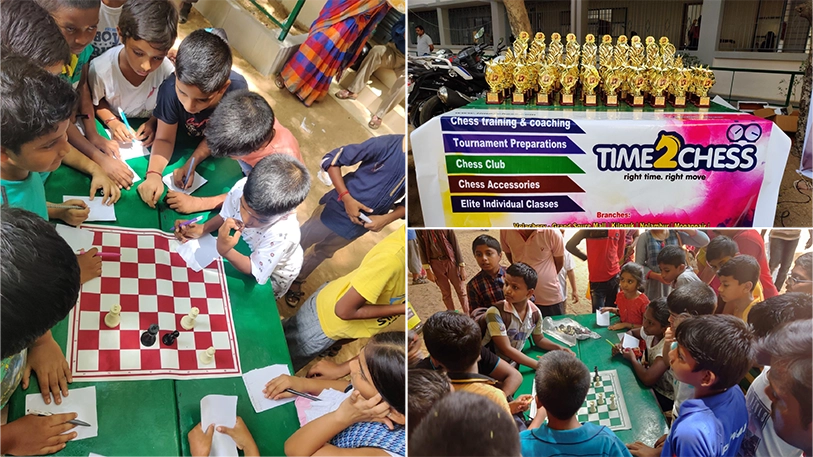
Enroll Now and Master Chess Learning with Time2Chess
At Time2Chess, we guide every student to learn the game with confidence and develop sharp thinking, steady focus, and a positive mindset that supports growth in everyday life. Begin your chess journey with us today and discover your true potential.


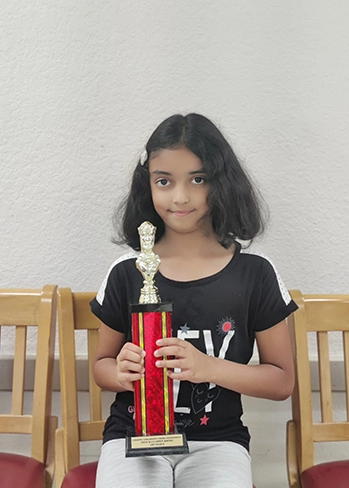

HAPPY STUDENTS